

Key Importance of Dock Levelers in Warehouse Operations
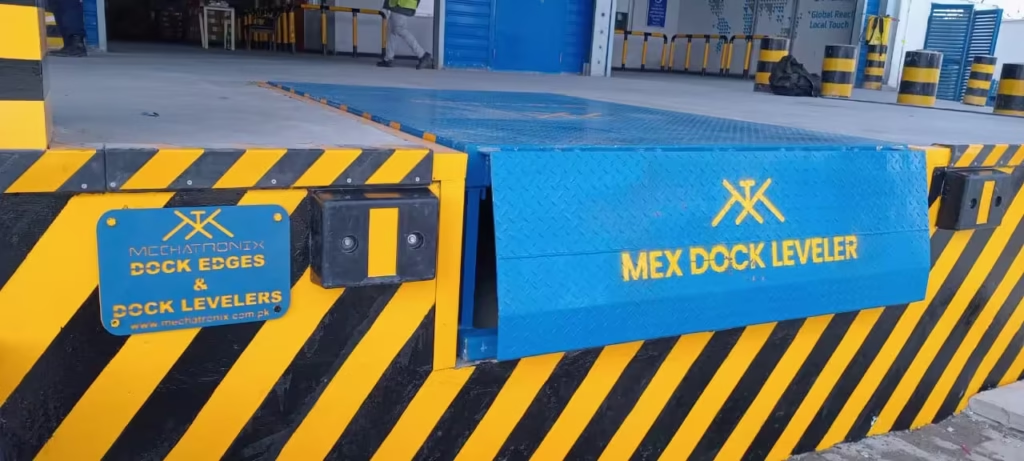
The Key Importance of Dock Levelers in Warehouse Operations Effective warehouse operations are vital for smooth freight management, and dock levelers are key to this process. Industrial facilities, ranging from food processing and cold storage units to pharmaceutical plants and logistics warehouses, are continually seeking innovative and smart solutions to increase workplace safety and efficiency. Docks greatly enhance warehouse productivity by promoting safe and efficient operations. In the following sections, we will explore the significance of dock equipment and how their various types and features meet specific operational requirements. Bridging the Gap for Seamless Shipping Dock or Pit leveler plays a crucial role in logistics operations by effectively bridging the height gap in truck loading. They create a smooth, level surface that allows for the safe and efficient lifting of goods up to 2-10 tons. Bridge Plate tackles the issues caused by uneven heights, leading to more streamlined workflows and increased productivity in warehouses and distribution centers. It also helps reduce risks such as accidents, product damage, delays, time wastage, and structural wear and tear. How do you decide which type is best? hydraulic or manual. Let’s first understand the difference. A hydraulic dock, which operates through an electric hydraulic system, provides automated functionality at the touch of a button. It is especially beneficial for high-volume facilities, where its reliability, high load capacity, and advanced safety features make it essential. These docks are a robust and effective solution for modern warehouses. They need low maintenance, but frequently handle heavy operations. Conversely, a manual dock leveler, commonly known as a mechanical leveler, is operated using a pull-chain or lever mechanism. Although they require some physical effort, they are a budget-friendly option for smaller facilities or operations with lighter transport requirements. Their simple design and consistent performance make them a sensible choice for businesses with tighter budgets or less demanding daily operations. when you integrate dock for automation + high efficiency or for ease and cost-effectiveness businesses can improve the safety and effectiveness of their shipping processes. These essential tools make it easy for forklifts and other equipment to move smoothly, reducing delays. They ensure goods are handled efficiently in any logistics setup. The Transformative Benefits in Modern Logistics Cargo loading docks revolutionize logistics by ensuring safety, efficiency, and versatility. They provide smooth transitions between trucks and docks, and reduces accidents and protecting goods. They streamline operations and reduce costs by shortening lifting times and adapting to various vehicle heights. These innovations are important for optimizing modern supply chains and warehouse workflows. Let’s discuss some of these: Enhanced Safety: Protecting Workers and Equipment One key benefit is the increased safety they provide in logistics operations. Uneven surfaces and height differences between loading docks and trucks can create significant risks for both workers and equipment. Bridge Plate addresses these issues by offering a smooth, level platform for shipping tasks. Features such as anti-slip surfaces and effective seals enhance operational security, minimizing accidents and protecting both personnel and goods. Boosting Productivity Through Efficiency They are essential for enhancing the efficiency of shipping processes. By delivering a stable and dependable platform, workers can perform tasks more quickly and effectively. Hydraulic docks, in particular, enhance operations with their automated features, saving time and reducing physical strain on employees. This boost in efficiency leads to greater productivity for warehouses. It ensures that goods are moved promptly without compromising safety or quality. Versatility for Diverse Freight Needs The adaptability of lifting makes them a crucial asset for facilities that handle various truck heights and types of cargo. Whether managing small delivery vans or large freight trucks, dock plates can adjust to meet different needs. This flexibility is especially advantageous for warehouses and distribution centres that deal with a wide range of shipments, as it facilitates smooth operations without requiring extra equipment or manual adjustments, thereby enhancing overall efficiency. Durability: A Long-Term Investment Investing in such valuable tools provides long-lasting benefits due to their sturdy construction and durability. They are tailored to withstand heavy daily use, these devices are made from high-quality, rust-resistant materials. Their advanced engineering ensures long-term reliability and consistent performance.Proper installation and scheduled servicing can further extend their lifespan. Installation and Maintenance Installing a dock leveler requires precision to ensure optimal performance. Choosing the right height, type, and company is critical to ensure a proper seal to prevent air and debris infiltration. Regular maintenance, such as checking hydraulic systems and inspecting dock plates for wear, is essential for uninterrupted operations. Factors to Evaluate When Choosing a Dock Leveler Warehouse Needs: Evaluate the frequency and type of cargo loading in your facility. High-volume operations may benefit more from hydraulic docks. Truck Types and Heights: Ensure the dock leveler can accommodate varying truck bed heights for seamless operation. Safety Features: Look for levelers with anti-slip surfaces and robust seals to enhance workplace safety. Loading Capacity: while selecting ramp, consider your capacity needs, usage frequency, and product weight requirements. Cost Efficiency: Balance the initial investment with long-term benefits. While hydraulic levelers may have higher upfront costs, operational efficiency often justifies the expense. Role in Modern Warehousing Ensuring smooth operations in warehouses requires reliable equipment, and dock ramps play a vital role in this process. By creating a safe and efficient shipping environment, they enhance productivity while protecting both equipment and personnel. From hydraulic docks designed for heavy-duty tasks to manual ramps suited for smaller-scale operations, selecting the right solution is essential for operational success. By understanding the importance of levelers and their features, warehouse managers can optimize freight management processes, ensuring a streamlined workflow and a secure workplace. Transform Your Logistics Operations with Mechatronix Solutions! Whether you need hydraulic levelers for automated efficiency or manual levelers for cost-effective reliability, Mechatronix offers top-quality solutions tailored to your needs. Enhance safety, streamline operations, and maximize productivity with our advanced dock levelers. Contact us today to learn more and upgrade your warehouse efficiency! Order A Dock Leveler Today! Iqra Khanum Writer & Blogger ☰ Table of Contents Table of Contents ✖
Hydraulic vs. Mechanical Dock Leveler – Which One is Right for Your Business?
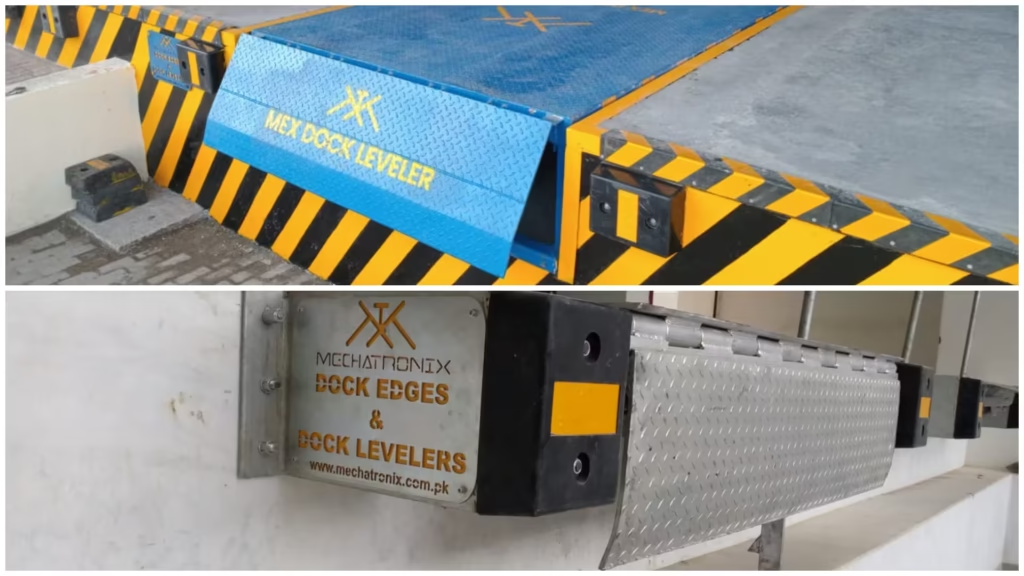
Hydraulic vs. Mechanical Docks: Key Differences and Business Benefits! When it comes to efficient cargo loading and freight management, selecting the right equipment can make all the difference. One critical decision is choosing between hydraulic and mechanical dock levelers. Both offer unique benefits tailored to specific operations. But which one is right for you? Let’s dive into a comprehensive comparison to help you make the right choice. Understanding Dock Ramps Dock Ramps fill the gap between a loading dock and a truck bed, ensuring smooth and safe cargo movement. These tools are important for businesses that depend on forklifts, manual labor, or both for loading and unloading operations. There are two major types: Hydraulic Levelers – Automated systems powered by electricity and hydraulic pumps. Mechanical Levelers – Operated manually using springs and levers. Your choice depends on your operational needs, budget, and the scale of your loading activities. Hydraulic Docks: The Automated Advantage Such levelers are designed to offer automation and ease, making cargo loading seamless. With a simple button push, these systems adjust the platform to the right height, saving time and manual effort. They are ideal for businesses aiming to enhance efficiency and reduce physical strain on operators, ensuring smooth and precise operations. Crucial Factors to Consider Start it with a simple push button for easy operation. Controls the platform height and extends the lip with button commands. Automatically lowers the platform to the trailer floor when buttons are released. Operates within a range of 12 inches above or below dock height. Eliminates the need for chain pulling during regular use. Returns to its stored position with the press of a button after loading or unloading. Ergonomically designed to reduce worker strain and minimize injury risk by removing the need for bending and chain pulling. Comprises one motor, two cylinders, and a series of hoses for efficient functionality. Why Choose Hydraulic Levelers? Hydraulic systems bring several advantages, including enhanced safety with automated controls that minimize risks related to manual handling. They are perfect for high-capacity operations and handle heavy loads. With fewer moving parts, you don’t need to maintain it on a daily basis, and it is generally limited to components like seals and pumps. Additionally, the smooth operation of hydraulic levelers ensures stability and eliminates sudden jolts or drops. While the initial investment and reliance on a power supply may seem significant, the long-term benefits make them an excellent choice for large-scale, high-demand facilities. Mechanical Docks: A Reliable Manual Solution Manual ramps are a durable and cost-effective solution for businesses seeking simplicity and functionality without reliance on electricity. Operated using a system of springs and levers, they are an excellent choice for facilities. Their simple design ensures reliability, making them a practical option for businesses with basic loading dock needs. Crucial Factors to Consider It operates with spring power and requires manual activation. The platform is lowered onto the trailer bed by the operator walking onto it and using body weight. To position it onto a trailer, the operator pulls a chain to release the “hold-down” system, allowing the platform to rise and the lip to extend. If the trailer is below docking height, a second chain must be drawn back to retract the support legs, enabling the platform to lower below the dock level. It offers less ergonomic efficiency than hydraulic levelers. Consists of springs, hold-downs, lip latches, and various moving parts. They remain under constant pressure and require frequent maintenance or replacement, especially the springs. Springs are sensitive to temperature changes, expanding in heat and contracting in cold, necessitating regular adjustments. It can load the capacity of up to 6 to 10 tons easily. Why Opt for Mechanical Levelers? Mechanical systems offer several benefits. It includes lower purchase and installation costs, making them ideal for businesses just starting out. Their power-free operation suits locations without reliable electricity, and their simple setup requires minimal resources. However, the manual effort required for operation can be challenging. Over time, components like springs and levers may need regular maintenance due to wear and tear, potentially increasing long-term operational costs. Key Points Differentiate The Operations! Making the right choice between hydraulic and mechanical dock levelers involves weighing your operational needs against costs. Here are the most important factors to think about: Frequency of Use: High-volume operations demand the efficiency and durability of hydraulic levelers. Budget Constraints: A mechanical leveler offers a cost-effective solution if you’re working within a tight budget. Power Accessibility: Facilities without reliable electricity are better suited for mechanical options. Maintenance Capacity: Hydraulic systems require less frequent servicing, but their components, like seals, may incur higher costs if repairs are needed. Final Thoughts: Hydraulic or Mechanical? Both mechanical and hydraulic dockies help fulfill the gap between trucks and loading docks, but the ideal choice depends on facility-specific needs. Facilities with fewer loading docks (1-2) may benefit from a mechanical dock leveler, while those with four or more docks should opt for a hydraulic one. Shipping frequency also matters—low activity suits mechanical levelers, while high traffic requires hydraulic efficiency. Additionally, hydraulic levelers accommodate varying truck heights more easily. Though mechanical levelers have lower upfront costs (30% less), long-term maintenance balances overall expenses. Once you’ve decided on the right dock leveler, reach out to Mechatronix Solutions for a wide selection that is tailored to different needs. Whether for large-scale freight operations or smaller loading docks, our high-quality solutions prioritize safety and efficiency. Get in touch today for expert advice and discover the ideal dock leveler to optimize your loading dock operations. Get A Dock Leveler For Your Warehouse! Iqra Khanum Writer & Blogger ☰ Table of Contents Table of Contents ✖
Why Install Dock Levelers? 10 Advantages You Need to Know!
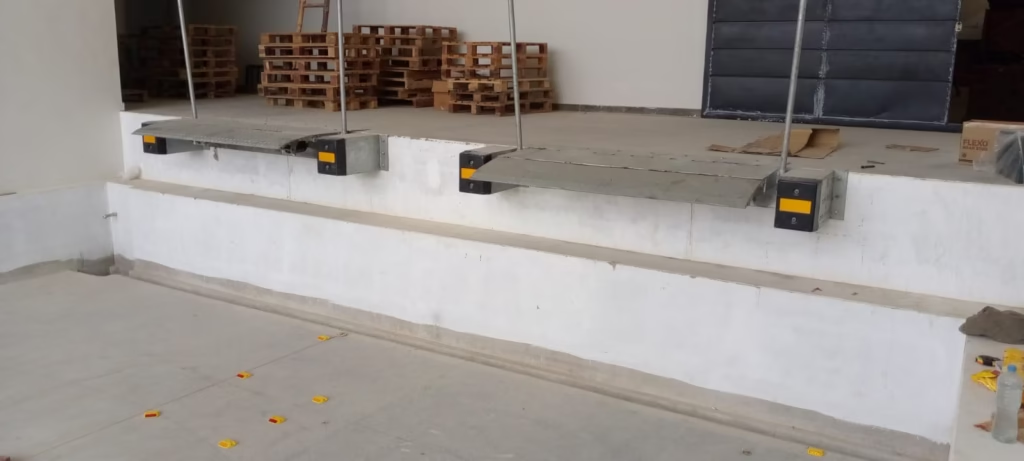
Top 10 Advantages of Installing Dock Levelers at Your Warehouse In today’s fast-paced logistics and warehousing industry, efficiency and safety are top priorities. One essential component that significantly improves warehouse operations is a dock leveler. These devices create a seamless transition between loading docks and trucks, ensuring smooth and secure movement of goods. In this blog, we will explore the top 10 benefits of dock levelers and why they are an essential investment for your warehouse. 1. Improved Safety for Workers One of the most critical advantages of loading ramps is improving workplace safety. When there is a gap or height difference between the dock and the truck, workers are at risk of slips, trips, and falls. This can lead to serious injuries and operational delays. You can eliminate these hazards by creating a stable leveled surface for loading and unloading goods by implementing dock ramps. They also prevent sudden shifts in equipment, ensuring that forklifts and pallet jacks can move smoothly without the risk of tipping over. 2. Increased Operational Efficiency Efficiency is a key in warehouse operations, as there are many workloads to complete in minimum time. These leveling systems play a major role in speeding up loading and unloading processes. Without a dock leveler, workers might struggle with manual adjustments, tiredness, and product management, which leads to delays and inefficiencies. Additionally, trucks can be loaded and unloaded faster and more efficiently. It not only saves your time but also increases the quicker turnaround times. This ultimately leads to helping warehouses improve their overall workflow and productivity. 3. Accommodates Various Truck Heights Not all delivery trucks are the same height, which can pose challenges during loading and unloading. Dock ramps are designed to adjust to different truck heights, making it easier to move goods without complications. The standard height range is typically 48 inches to 52 inches and applies to almost all freight loading docks. This is determined by industry criteria and regulations. This flexibility ensures that warehouse operations run smoothly and efficiently, regardless of the types of trucks used. It also lessens the risk of damaging goods due to height mismatches. 4. Secure Your Warehouse Keeping your warehouse secure is essential. Sometimes, intruders may try to access your loading area at night for illegal loading or theft. With dock levelers, you can prevent this. You can lock them using electronic switches, manual locks, or mechanical locks, depending on your need and security concerns. These security features not only protect your goods but also save you money. With a locked dock leveler, robbers may not be able to carry heavy loads and would prefer breaking locks to avoid making noise for their own safety. So, you don’t need extra security personnel at night, reducing overall costs while keeping your warehouse safe. 5. Reduce Downtime with Efficient Loading Factory operations run smoothly around the clock with the help of dock levelers. They provide a seamless link between trucks and loading docks, even at night. Working 24/7, they keep your workflow uninterrupted, reducing delays and speeding up loading and unloading processes. By eliminating manual adjustments and uneven surfaces, dock levelers save valuable time. Your team can load and unload faster, improving productivity and meeting tight schedules without unnecessary delays. With a reliable dock leveler, your operations stay efficient around the clock. 6. Eco-Friendly and Noise-Free Operations You can achieve more quieter and eco-friendly work environment by investing in dock levelers. They reduce noise pollution by ensuring smooth and automated loading, which is crucial for industries like pharmaceuticals and food factories. Less noise improves workplace conditions and minimizes disturbances. Automated levelers also enhance energy efficiency. By sealing gaps between trucks and docks, they help maintain indoor temperatures, reducing energy loss. This eco-friendly feature lowers heating and cooling costs while supporting a greener, more sustainable operation. 7. Protect Your Dock, Vehicles, & Goods Uneven loading surfaces can cause goods to shift or fall, which may lead to potential damage and financial losses like loading docks, vehicles, and warehouse structures. A loading ramp ensures a seamless transition between the dock and the truck, protecting goods, minimizing equipment wear, and improving warehouse productivity. It also absorbs shocks and distributes the load evenly, preventing structural damage to both the dock and the vehicles. Additionally, forklifts and pallet jacks experience excessive wear on wheels, hydraulics, and other components when navigating uneven surfaces, which results in frequent maintenance and costly repairs. A Dock Plate provides a smooth incline, reducing equipment strain, prolonging machinery lifespan, and lowering maintenance costs over time. 8. Handles Heavy Loads with Ease Warehouses often handle heavy shipments and large volumes of goods. Dock levelers are specifically designed to support high-capacity loads, making it easier to move bulk shipments efficiently. Mechanical levelers can easily handle capacities of up to 6 to 10 tons. Hydraulic and air-powered dock levelers, in particular, are built to withstand substantial weight and smoother shifting. They can easily handle capacities of up to 12 to 40 tons. They also ensure safe and reliable operation even with heavy-duty equipment and materials. You can choose between Mechanical and Hydraulic ramps as per your working requirements. 9. Meets Compliance and Regulatory Standards Workplace safety regulations require warehouses to implement secure loading and unloading solutions to prevent accidents and injuries. Installing dock levelers ensures compliance with OSHA (Occupational Safety and Health Administration) and other industry safety standards, reducing legal risks. Additionally, meeting safety regulations improves the business’s overall reputation and demonstrates a commitment to employee well-being and operational excellence. It also creates a good impression on visitors and co-founders. 10. Offers Long-Term Cost Savings Although these levelers require an initial investment, they provide significant cost savings over time. By reducing accidents, product damage, equipment wear, and energy expenses, businesses can achieve higher efficiency and lower operational costs. The long-term benefits of dock make them a smart and cost-effective investment for any warehouse looking to improve productivity, safety, and overall profitability. Upgrade Your Warehouse – Invest in the Best Dock Leveler Today! The
How to Choose the Right Dock Leveler for Your Facility?

How to Choose the Right Dock Leveler for Your Facility? In logistics and warehouse management, efficiency and safety are top priorities. One crucial component that ensures smooth loading and unloading operations is the dock leveler. A well-chosen leveler bridges the height gap between loading docks and delivery vehicles, minimizing damage to goods and reducing workplace injuries. Choosing the right dock leveler for your facility depends on several factors, including the type of vehicles used, load capacity, frequency of operation, and safety requirements. This guide will help you navigate through the key aspects of choosing the perfect dock ramp for your business. Loading ramps usually come in two types, Mechanical and Hydraulic. You can choose between them as per your need. Mechanical Operate using a spring system and require manual activation. Installed within a pit at the loading dock door. Activated by pulling a chain to raise the leveler and position it onto the trailer bed. Cost-effective solution for standard shipping and receiving operations with lighter loads. Hydraulic Powered by a hydraulic system, eliminating manual operation. Raised and lowered with a push-button control. Designed for handling heavier loads and frequent use. It is ideal for high-speed facilities managing demanding freight transfers. Key Aspects to Consider While Choosing!!! 1. Load Capacity & Weight Requirements One of the primary considerations is the Loading dock ramp’s load capacity. If your facility handles heavy loads, ensure the leveler can support the maximum expected weight, including forklifts and pallet jacks. For instance, Mechanical docks can haul 6 to 10 tons, while hydraulic docks can haul 12 to 20 tons. 2. Frequency of Use The leveler’s durability depends on its daily usage. If your dock is used frequently, hydraulic or air-powered levelers are better as they require less manual effort and withstand constant use. Hydraulic ramps are also suitable for heavy-duty and high-volume operations. Mechanical levelers may wear out faster with heavy use. 3. Type of Vehicles & Dock Heights Different trucks have varying deck heights. Choosing the right leveler that accommodates a range of truck sizes ensures smooth loading and unloading is essential. For instance, Edge-of-dock levelers work well for facilities handling a single type of vehicle, while pit-style levelers are better for mixed fleets. The standard loading ramp height range is typically 48 to 52 inches and applies to almost all freight loading docks. 4. Safety Features Safety is a priority in any warehouse or distribution centre. Check the accessories like toe guards, foam insulation, and air seals. Also, consider these things for better safety in the workplace. Anti-slip surfaces to prevent accidents. Lip extensions to ensure better contact with truck beds. Automatic safety stops to prevent sudden drops. 5. Durability & Maintenance Needs Durability and Maintenance needs decide you save your cost for longer terms, provide safety assurance, increases operational efficiency and will need lower maintenance requirements. Consider how much maintenance your loading dock will require. Mechanical levelers need regular lubrication and spring adjustments, whereas hydraulic and air-powered models have fewer moving parts and require less frequent maintenance. In order to control long-term problems, a qualified and authorized technician should inspect the unit every 90 days. 6. Dock Leveler Dimensions Length The length is based on the steepest slope that internal transport can handle and the type of goods being loaded. If there is a significant height difference between the vehicle and the loading bay, a longer leveler is needed. It’s important to check the types of vehicles coming in to ensure the slope stays safe for loading and unloading. Width The width depends on the size of the trucks, the type of goods being loaded, and the equipment used for transport. Choosing the widest possible leveler makes it easier to position loads, especially when loading below platform level, where space is limited by the pit’s edges. 7. Environmental Conditions Environmental conditions are also important to consider when deciding on material durability and efficiency in climate conditions. For facilities exposed to extreme temperatures or outdoor weather, vertical and hydraulic ramps offer better insulation and security. These ramps are eco-friendly and weather-resistant for outdoor activities. Choose rust-resistant materials if your dock is in a high-humidity environment. 8. Installation and Maintenance Considerations When choosing a dock ramp, it’s essential to study both installation costs and maintenance. Professional installation ensures proper alignment and long-term durability, while DIY installation may lead to frequent issues. Regular inspections and lubrication extend lifespan, with hydraulic and air-powered levelers requiring less maintenance compared to mechanical ones. 9. Cost Considerations & ROI While hydraulic and air-powered ramps have higher upfront costs, they save money in the long run by reducing downtime and maintenance expenses. Mechanical levelers may have lower initial costs but require frequent upkeep and daily checks. You should choose based on your budget and long-term operational efficiency. Find the Perfect Loading Ramp for Your Facility Choosing the right dock leveler is just one part of the equation. Partnering with a credible supplier ensures you receive high-quality products and exceptional service. When evaluating suppliers, consider their experience in the industry, the variety of leveler options they offer, and customer reviews. A supplier that provides warranties and after-sales support can help you avoid operational disruptions in the long run. At Mechatronix Solutions, we specialize in providing top-quality dock levelers that enhance safety, efficiency, and durability. Our experts are ready to help you find the best solution for your facility’s needs. Whether you need a hydraulic, mechanical, or air-powered loading ramp, we offer customized solutions to match your operational requirements. Reserve A Dock For your Business! Iqra Khanum Writer & Blogger ☰ Table of Contents Table of Contents ✖