

Mechanical Docks: A Reliable Manual Solution
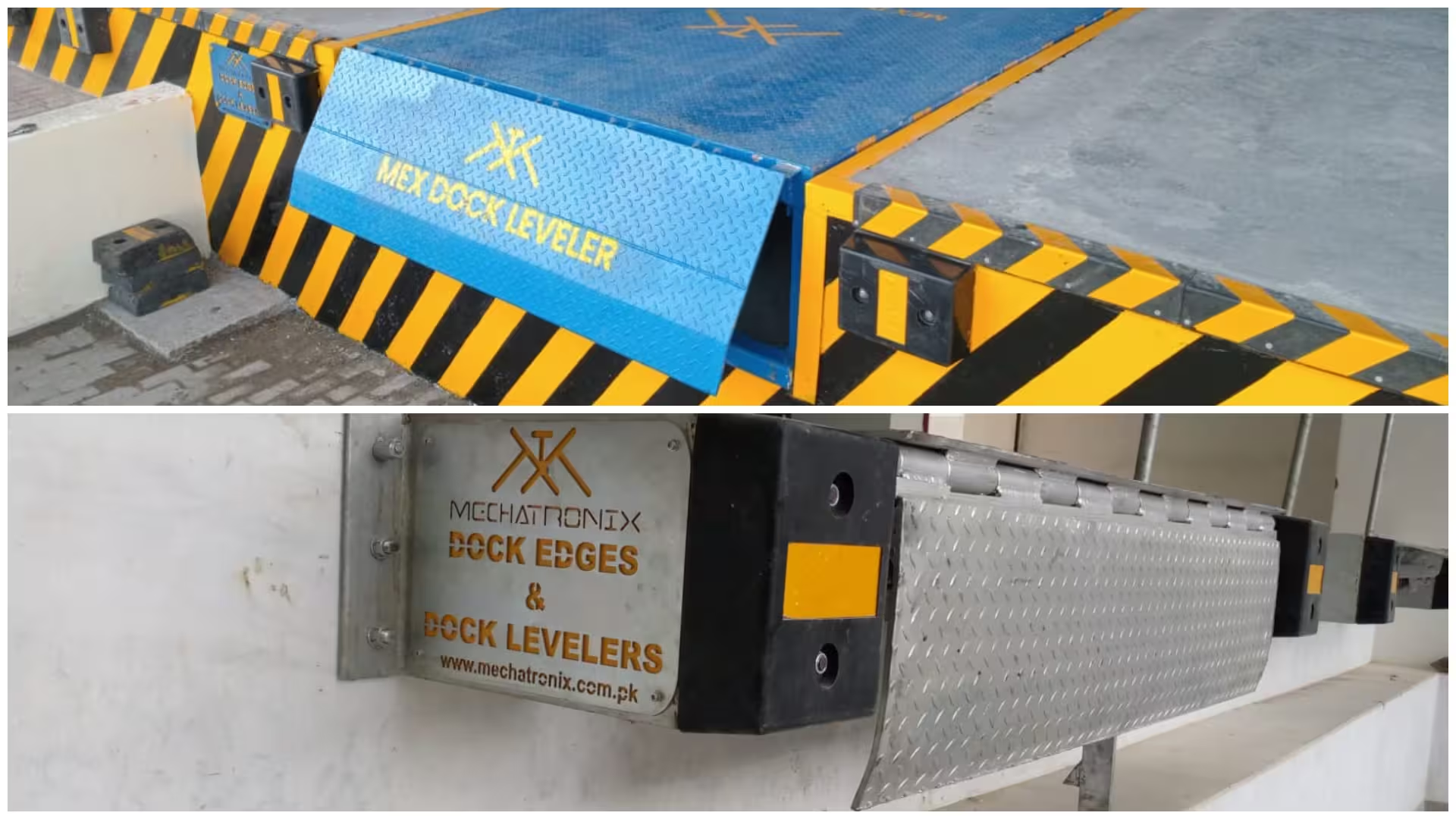
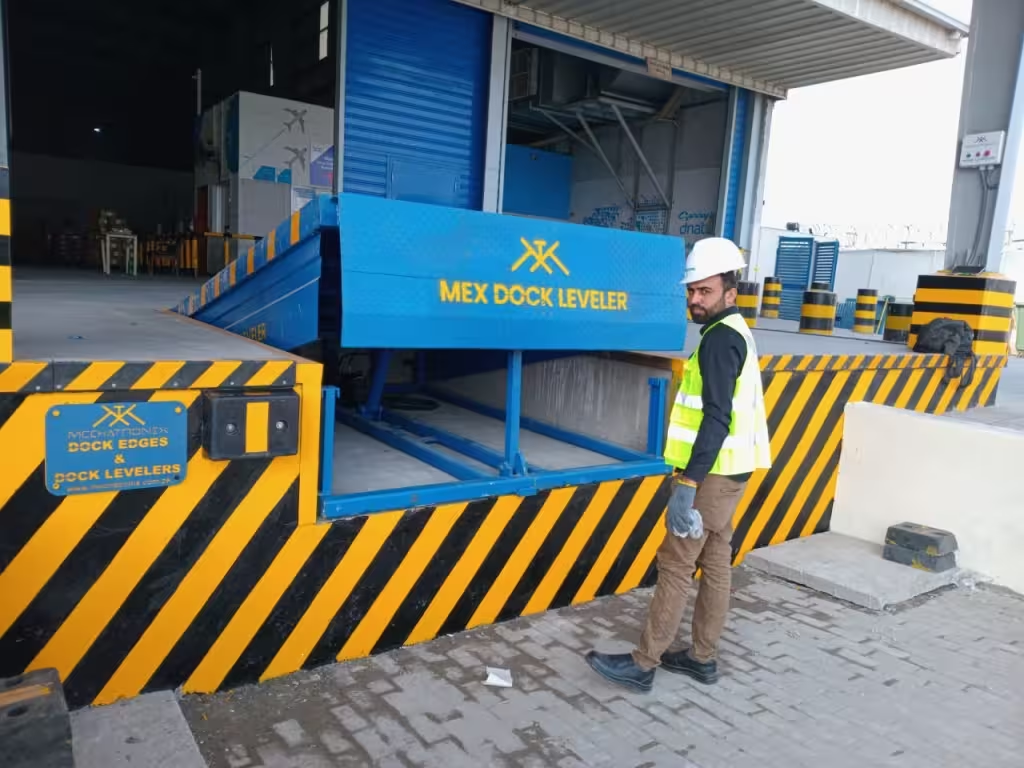
Manual ramps are a durable and cost-effective solution for businesses seeking simplicity and functionality without reliance on electricity. Operated using a system of springs and levers, they are an excellent choice for facilities. Their simple design ensures reliability, making them a practical option for businesses with basic loading dock needs.
Crucial Factors to Consider
- It operates with spring power and requires manual activation.
- The platform is lowered onto the trailer bed by the operator walking onto it and using body weight.
- To position it onto a trailer, the operator pulls a chain to release the “hold-down” system, allowing the platform to rise and the lip to extend.
- If the trailer is below docking height, a second chain must be drawn back to retract the support legs, enabling the platform to lower below the dock level.
- It offers less ergonomic efficiency than hydraulic levelers.
- Consists of springs, hold-downs, lip latches, and various moving parts. They remain under constant pressure and require frequent maintenance or replacement, especially the springs.
- Springs are sensitive to temperature changes, expanding in heat and contracting in cold, necessitating regular adjustments.
- It can load the capacity of up to 6 to 10 tons easily.
Why Opt for Mechanical Levelers?
Mechanical systems offer several benefits. It includes lower purchase and installation costs, making them ideal for businesses just starting out. Their power-free operation suits locations without reliable electricity, and their simple setup requires minimal resources. However, the manual effort required for operation can be challenging. Over time, components like springs and levers may need regular maintenance due to wear and tear, potentially increasing long-term operational costs.
Key Points Differentiate The Operations!
Making the right choice between hydraulic and mechanical dock levelers involves weighing your operational needs against costs. Here are the most important factors to think about:
- Frequency of Use: High-volume operations demand the efficiency and durability of hydraulic levelers.
- Budget Constraints: A mechanical leveler offers a cost-effective solution if you’re working within a tight budget.
- Power Accessibility: Facilities without reliable electricity are better suited for mechanical options.
- Maintenance Capacity: Hydraulic systems require less frequent servicing, but their components, like seals, may incur higher costs if repairs are needed.
Final Thoughts: Hydraulic or Mechanical?
Both mechanical and hydraulic dockies help fulfill the gap between trucks and loading docks, but the ideal choice depends on facility-specific needs. Facilities with fewer loading docks (1-2) may benefit from a mechanical dock leveler, while those with four or more docks should opt for a hydraulic one. Shipping frequency also matters—low activity suits mechanical levelers, while high traffic requires hydraulic efficiency. Additionally, hydraulic levelers accommodate varying truck heights more easily. Though mechanical levelers have lower upfront costs (30% less), long-term maintenance balances overall expenses.
Once you’ve decided on the right dock leveler, reach out to Mechatronix Solutions for a wide selection that is tailored to different needs. Whether for large-scale freight operations or smaller loading docks, our high-quality solutions prioritize safety and efficiency. Get in touch today for expert advice and discover the ideal dock leveler to optimize your loading dock operations.
