

What Are Fire Doors Made Of, And What’s Inside? Complete Guide!
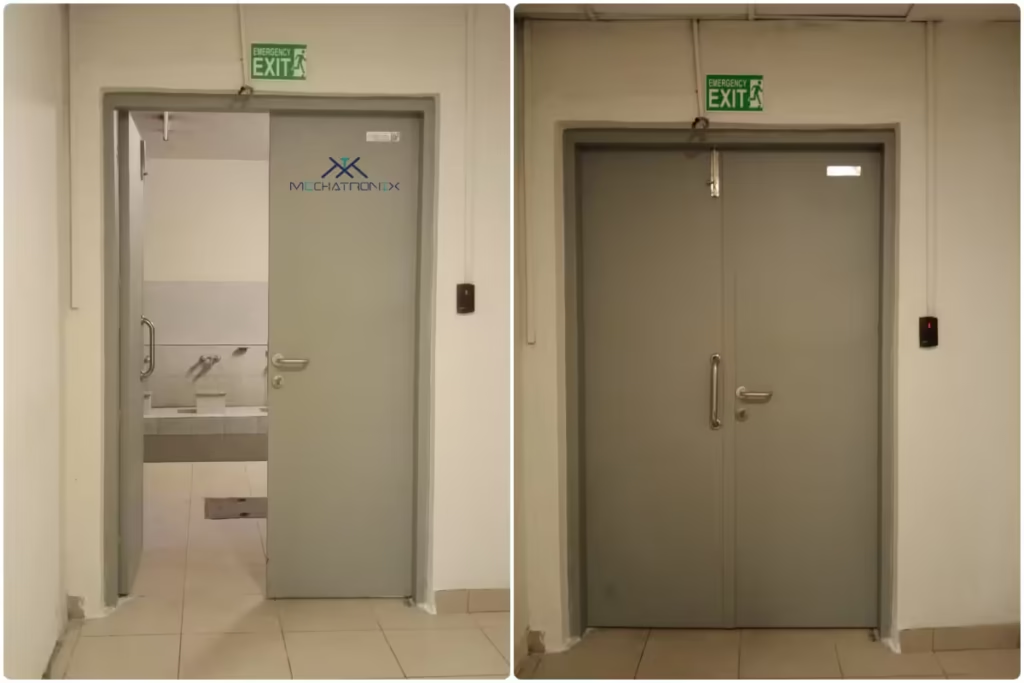
A Complete Look Inside The Structure of Fire Rated Door! A fire door is a crucial lifesaving commodity, but its effectiveness relies on its composition. At its core, door’s frame is hollow, filled with fire-resistant materials that provide its strength. To enhance its durability and resistance, specialized equipment and fire retardant materials are used. Let’s delve into the details of these substance and door types, exploring what makes a door truly fire resilient. What Does Fire Rated Door Made Up Of? Fire-rated doors are typically constructed from a variety of materials, including timber, glass, galvanized steel, metal (such as mild steel and stainless steel), aluminum, and PVC. In Pakistan, however, the most commonly available options are wood and metal doors, which are often certified to international standards such as UL (Underwriters Laboratories) and BS (British Standards) by multiple manufacturers. Wooden Doors: You might doubt that how a wood can stop fire, as it catches more. But it’s not for all kind of woods. It can save lives of many. You just need a proper installation and best production. There are two types of wooden doors, full wooden door and in filled door. Full wooden doors vs. In-filled wooden doors: Wooden fire doors are made of wood or composite materials with fire-resistant fillers like gypsum, treated with resistant chemicals. They’re designed to resist blaze and smoke, with a traditional and natural look. However, In-filled Fire doors have a wooden frame filled with resistant materials like rock wool or gypsum, making them lighter and cost-effective compared to solid wood doors. They’re ideal for areas where aesthetics matter, matching the look of other wooden doors. A standard fire wood door is made up 510kg that stands for 60 minutes, whereas, 650kg/m3 door stands for 90-120 minutes. Most people probably wouldn’t consider wooden door as fire resistant but many fire rated doors are made using timber that actually save lives. Metal Doors: Steel doors are most of the time popular choice for many. As it is non combustible material, and will not induce fire. Most people prefer using them because of cost-effectiveness. It also comes with high rating starting from 30-120 minutes. Same as wooden doors, metal doors also available in two types Mild Steel Door vs. Stainless steel Door Mild steel fire doors have durable RAL-painted steel, and GI sheet is used to prevent it from rust. While the inside is hollow core. The core is filled with various materials for fire protection, insulation, and soundproofing. You may customize door with additional features, such as lead lining for X-ray shielding or reinforcement for ballistic resistance. Whereas, stainless steel doors offer high corrosion resistance and a polished appearance that improves over time. Fire ratings vary depending on the internal materials used. They may lack aesthetic appeal due to limited ductility. Stainless steel doors excel in durability and strength due to their corrosion-resistant properties. What’s inside the fire rated door? There is a combination of materials is used to construct fire rated doors, including Rockwool, Honeycomb paper, Magnesium board, Thermocol, Perlite core filling, cement board with Polyurethane, and fireproof MDF. Each material plays a crucial role in making the door strong, sturdy, and resistant to fire. Let’s explore the details of these components. Rockwool Rockwool insulation limits fire up to 1,000°C made from natural or synthetic fibers. It provides thermal insulation, reducing heat transfer, and slowing down fire spread. It also fills the door’s cavity, enhancing its fire rating and ensuring compliance with safety standards. Honeycomb Paper/Sheet Another lightweight yet 100% durable recycle material used is Honeycomb paper made up of polypropylene. Its unique structure traps air, reducing heat transfer and slowing fire spread easily. The material used in the composition of the honeycomb is a flame retardant, without halogen. Magnesium Board Magnesium oxide is a non-combustible material that makes a perfect Magnesium board. It serves as a core or sheathing material, providing exceptional fire protection, durability, and stability. Its high melting point and non-combustible properties help maintain the door’s integrity during fire exposure, ensuring a secure barrier. Thermocol In fire doors, Thermocol sheets are often treated with fire-retardant chemicals or coated with Intumescent materials that expand when exposed to heat. It creates a barrier that insulates and protects the door’s core. When a fire door is exposed to heat, its inside material expands and forms a hard, inorganic barrier that prevents fire spread. It happens due to Perlite core filling. The water content in perlite (4-5%) releases steam, cooling the surrounding area, while its unique structure prevents flames from propagating. This potent combination ensures that fire doors maintain their integrity, safeguarding against fire risks. A fire door’s core is protected by a composite material that provides exceptional fire resistance. This is achieved through a combination of a non-combustible cement board base and a polyurethane coating that expands when exposed to heat, forming a protective char layer. MDF Panels Fire proof MDF panels are another major flame-resistant product. They are treated with fire-inhibiting chemicals to achieve a Euro class C fire rating, making them an excellent choice for applications where safety standards must be met. The choice of materials determines a door’s resistance duration. Customers can tailor their door’s specifications by selecting or omitting various components to meet their specific needs. If you want to have best fire-rated in Pakistan, you may contact us. For any assistance or customization options, please don’t hesitate to reach! Contact Us Today! Iqra Khanum Writer & Blogger ☰ Table of Contents Table of Contents ✖
The Ultimate Guide to Fire Door Equipment!
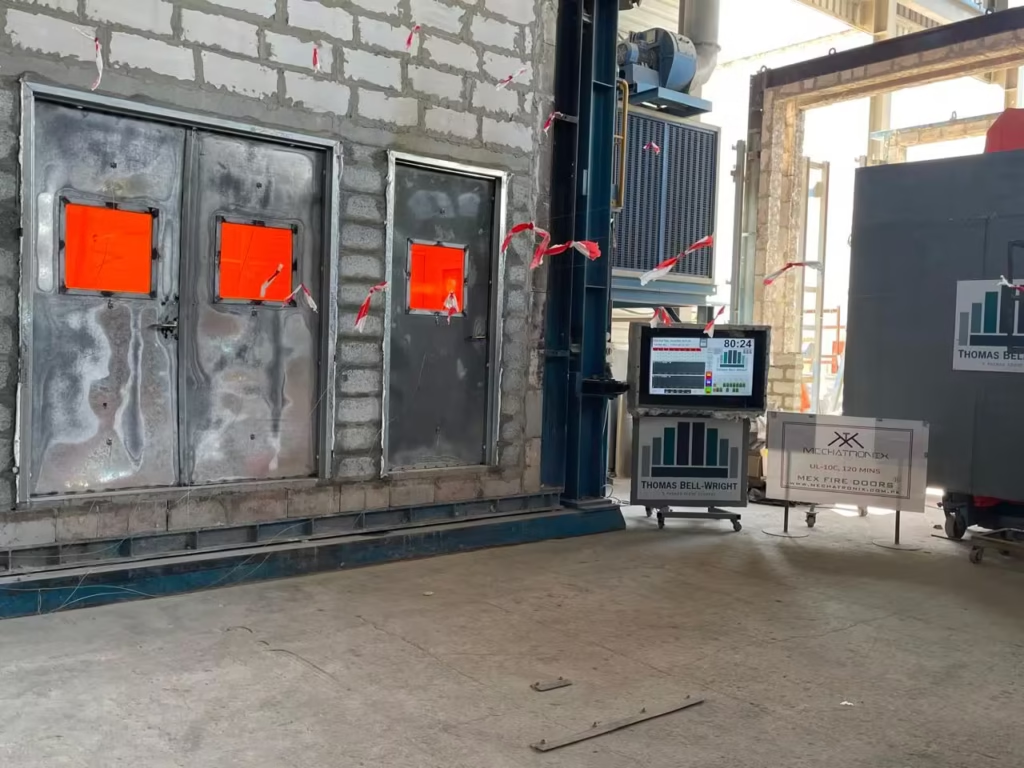
Explore Fire Rated Door Accessories! A fire door is only fully protective if it’s completely fire-rated, which cannot be achievable without fully fire-rated equipment. Ensuring your door has all the necessary safety features is crucial for fire safety. This includes standard equipment like hinges, door handles, vision panels, and more. All these components together create a perfect fire-rated door. Let’s dive into the details of each. Vision Panel A small window allows safe viewing of the outside while maintaining interior safety. They must be fire-resistant, with glass that withstands fire for at least 30 minutes, unlike regular glass. Fire-resistant glass is typically made to prevent fire from spreading for an extended period of time. That’s why it is a vital component in many safety programs. Auto Door Closer: Auto door closers are a reliable solution for securing commercial spaces; ensuring fire doors remain closed when not in use to prevent fire and smoke entry. They come in various closing strengths to suit different door weights. They are also configured based on door design, whether inward or outward opening, to provide optimal functionality and safety. Such closers are used in each type of door whether it’s UL-listed or Non UL-Listed. Panic Bar: A panic bar, also known as a crash bar or push bar, allows quick opening of the door that allows person pass out quickly when the latch or bolt when pressed. It’s a required safety feature that must be pushed horizontally to open. This bar is suitable for variety of applications like wood, metal, and aluminum frame. It provides a fast and easy escape route in emergencies. Trim Lock We have talked about internal locks and bolts but what about external? To address this trim lock is installed on the outside of the door. It can be opened with a key from the outside, but remains secure from the inside. A panic bar is different. It allows quick exit without a key. It’s typically installed on the exit side of a building’s door. Users can simply push the bar to open the door and exit swiftly. Hinges: Fire door hinges are crucial for safety and must be certified to withstand intense heat. Unlike regular hinges, they’re made from stainless steel with a melting point of at least 800°C. If your hinges are not fire proof, the door may fall from its frame, even it is certified as fire proof. The number of hinges required varies: such as wooden doors need at least three, while steel doors require four, depending on the door’s certification. Tower Bolt: Fire-activated bolts are another crucial part of door that locks door to frames during fires, preventing warping and twisting. Such bolt is used when you need to give extra support, or have blow budget. They must be made from fire-resistant materials like stainless steel, they ensure the door remains secure and in place, even when subjected to intense heat and pressure. Fire and Smoke Seals: Typically three types of seals are applied in the fire door, which makes them more durable. Fire seals, or intumescent seals, are made from heat-expanding materials. It is used to fill gaps around doors and frames, containing fires and prevent it from spreading. When the door is exposed to extreme heat, fire seal expand and seals the gaps. By doing this, it gives you time to escape. Similarly, smoke seals work are installed between the door frame and surrounding areas to prevent hazardous smoke spread. They are always visible and provide a critical barrier against smoke that can be a major threat to life, whereas fire seals are only activated in the event of a fire. Even with fire and smoke seals in place, a gap at the bottom of the door can still allow fire and smoke to pass through. To address this, a drop-down seal is used to automatically close the 8-10mm gap when the door is shut. It effectively prevents smoke from escaping and ensures to enhanced fire safety. These seal protect people and property, minimizing damage by containing fire or smoke to one area. They come in 30 or 60-minute ratings. Paint: Paint is also an important factor while maintaining the door as fire-resistant. There are different types of coating used for door for instance intumescent paint that expand when exposed to heat. Other than this powder coating can be used to resist fire. It can ignite fire at around 900°F. Enamel paint has also a fire-retardant control around 500°F. There are also different types of fire resistant paints that can be customized as per customer’s choice. To conclude, all these equipment are necessary part of your fire door that makes it retardant against fire and can sustain long lasting. Ratings of fire rated doors are not only depends on the material used inside but also its equipment. That’s why it is important to have a complete knowledge about them. These all equipment must be fire proof and certified from authorized Authorities. You may customize them as per your choice. For customization and queries you may contact to our team. Contact Us Today! Iqra Khanum Writer & Blogger ☰ Table of Contents Table of Contents ✖
Explore The Life Saving Importance of UL-Certified Fire Doors!
Real-Life Examples Highlighting the Lifesaving Role of UL Fire Doors When a fire breaks out within a building, its consequences could severely damage the whole scenario. The cost involved can be huge, like documents, apartments, roofs or walls; you’re your precious fatalities. According to a 2021 NFPA study, out of 125,500 fires reported in non-residential structures across the United States, where fire doors are typically required, 3% led to fatalities, while 7% resulted in civilian injuries. Apartment fires, categorized separately, revealed even higher risks. Among 81,500 multifamily fires, 7% involved fatalities, and 21% caused injuries. These relatively low percentages highlight fire doors’ critical role in reducing casualties during fire incidents. However, the implementation of fire door regulations in apartment buildings varies by state, leading to inconsistent safety measures. Real-World Examples (2010–2024) Fire doors are essential safety features designed to retain fires, prevent the spread of smoke, and provide occupants with crucial time to evacuate. Their effectiveness has been demonstrated in various real-world incidents that will surely show you the importance of UL-certified fire doors. Grenfell Tower Fire, London (2017) The tragic Grenfell Tower fire on 24 floors broke out on the fourth floor of the flat’s kitchen. Seventy-two people lost their lives, and many other damages happened. However, fire doors were mounted, which saved many stories. Such incidents served as a chilling reminder of the lifesaving role fire doors are meant to play, but often fail to when neglected. Investigators uncovered a devastating truth: many fire doors failed to close properly, becoming pathways for lethal smoke and flames to spread rapidly. This failure turned escape routes into deadly traps, underscoring a vital lesson. A well-maintained fire door isn’t just a barrier; it’s a lifeline. It can mean the difference between a contained fire and a catastrophic loss of life. Bronx Apartment Fire, New York City (2017) In December 2017, a devastating fire broke out in a Bronx apartment building when a child playing with a stove ignited a blaze that claimed 13 lives. The tragedy hit hardest on the upper floors, where the thick smoke turned deadly. Yet, fire doors became silent heroes in some apartments, holding back flames and smoke long enough for firefighters to reach trapped residents.The fire’s rapid spread was traced to a single apartment door left open, allowing smoke and flames to infiltrate the building’s critical stairwells, escape routes that should have been safe. This heartbreaking incident serves as an initiate reminder: self-closing fire doors are not just safety features; they are lifesaving barriers, essential to containing fires, preserving escape routes, and protecting lives when every second counts. High-Rise Office Building Fire, Chicago (2012) A fire erupted on the 12th floor of a high-rise office building, jolting a man and woman awake as their smoke detector blared a warning. They discovered flames consuming their living room and quickly called for help. Despite the tragic loss of six lives to smoke inhalation, the swift action of the Chicago Fire Department, with 135 firefighters, paramedics, and 45 pieces of equipment, successfully contained and extinguished the blaze. The key to preventing further devastation? UL-certified doors. They held the fire to its floor of origin, stopping it from spreading to other parts of the building. This critical containment not only allowed occupants on other floors to evacuate safely but also significantly reduced property damage. The incident stands as a sobering but powerful testament to the lifesaving importance of fire doors in high-rise buildings. Hospital Fire Incident, Toronto (2015) In March 2015, a fire broke out in a storage room of a hospital in Brampton, Greater Toronto Area. Fortunately, the hospital was under construction, and no fatalities occurred. However, the incident highlighted the crucial role fire doors play in such emergencies. Upon detecting smoke, the fire doors automatically closed, effectively confining the blaze to the storage area. This swift containment was vital in safeguarding the hospital’s most vulnerable patients, particularly those in critical care units. The fire doors not only prevented the fire from spreading but also enabled an orderly and calm evacuation, avoiding chaos and ensuring everyone’s safety. This incident underscores the importance of fire doors as silent protectors in high-risk environments like hospitals.T The Critical Role of Properly Installed and Maintained Fire Doors These incidents emphasize the lifesaving importance of Properly installed and well-maintained fire doors perform their critical function when supported by correct installation, ongoing maintenance, and certified fire-resistant components. Gaps, faulty seals, or non-compliant materials can render them ineffective when it matters most. Regular inspections and strict adherence to fire safety regulations are essential to ensure doors operate as intended during emergencies. When properly maintained, fire doors serve as vital barriers, slowing the spread of fire and smoke, safeguarding escape routes, and ultimately protecting lives. Their role cannot be overstated. For reliable solutions and expert support in fire door installation and maintenance, trust Mechatronix to help you stay prepared and protected. Contact Us Today! Iqra Khanum Writer & Blogger ☰ Table of Contents Table of Contents ✖
How to Fire-Proof Your Building with Smart Choices
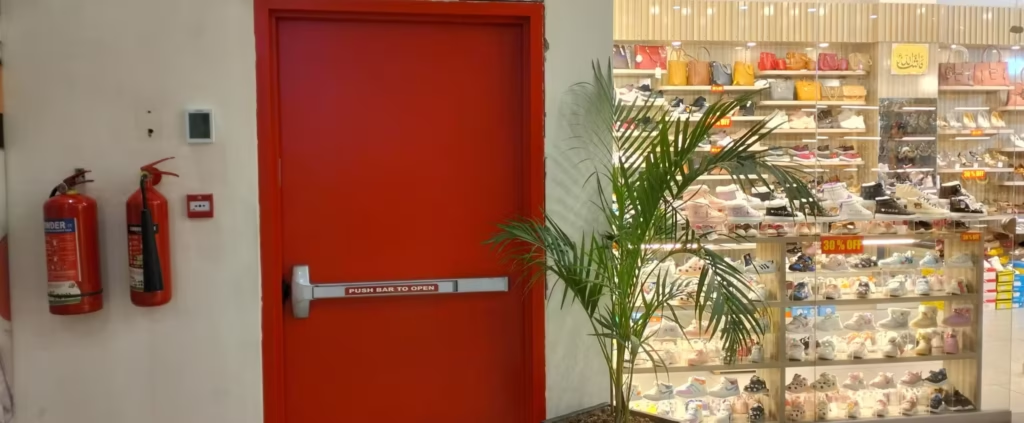
Fire-Proof Your Building with Smart Choices! Protect your property, people, and peace of mind. Keeping your building safe from fire is not just about following rules. It’s about making smart choices at every stage design, construction, and daily use. Fire safety starts with awareness and ends with solid systems in place to protect everything that matters. Whether it’s an office, apartment, or commercial space, there are clear steps you can take to reduce fire risks and improve building safety for everyone. Use Certified Electrical Components One of the most overlooked fire hazards in any building is poor wiring. Substandard cables or overloaded circuits can overheat and spark fires. That’s why using UL-certified wiring is critical. It ensures the wiring has passed proper fire-resistance and safety tests. Don’t cut corners with electrical fittings. Only install high-quality electronics and electric equipment that meet fire safety regulations. Also, install authentic UL-certified doors. A little investment in quality can prevent a major disaster. Install Reliable Fire Protection Systems Intelligent fire suppression systems, such as sprinklers or gas-based systems, can quickly control or even extinguish flames before they spread. These systems are vital in areas with expensive equipment or limited access. Smart smoke detectors add another layer of defense. They can alert you early, even if no one is around. Make sure to check that these are installed in all critical zones. Don’t forget fire extinguisher use they should be easy to reach, clearly labelled, and regularly maintained. Build Safe Escape Routes and Fire-Rated Doors In the event of a fire, a quick and safe escape is essential. This is where well-planned evacuation routes and fire escape paths come into play. Clearly mark obstacle-free paths to the nearest exits and display these routes prominently for everyone to see. Ensure that doors along these routes are fire-rated, providing resistance against heat and helping contain the spread. Mechatronix Solutions offer top-quality fire-rated doors for buildings across Pakistan. These doors are ideal for commercial properties and provide valuable protection for apartment complexes. Trust us to help you enhance safety with the best fire-rated solutions. Follow All Safety Regulations and Codes Each city and province has its own fire safety regulations and building authority codes. Following them isn’t optional it’s essential. These rules are designed to reduce fire risks and ensure the building is prepared for emergencies. From construction materials to fire alarms and ventilation systems, everything should comply. Following safety codes isn’t just about legal compliance. It’s about fire prevention. Use Fire-Resistant Materials for Enhanced Safety Using non-flammable materials can greatly reduce the risk of fire spreading. Opt for marble, stainless steel, or treated stone for countertops and cabinets. Ceramic tiles, metal sheets, or brick make excellent choices for kitchen splashbacks and walls. Stairways should be made from fire-resistant materials to ensure safe evacuation from upper floors in multi-story buildings. These materials provide a vital layer of protection in case of an emergency. Train Your Team and Practice Regular Drills Fire safety awareness training is just as important as the tools you install. Teach staff or tenants to turn off lights and unplug electrical appliances when not in use. Make sure everyone knows how to use a fire extinguisher and what to do when an alarm goes off. Regular fire drills help reinforce this. When people practise what to do, they’ll stay calmer and safer in real situations. Schedule Regular Inspections and Maintenance Even the best systems won’t work if they’re broken. Schedule routine checks for all fire equipment, including smoke detector installation, alarm panels, fire doors, and extinguishers. Ensure fire exits are not blocked or locked. Hire certified professionals to inspect wiring, gas lines, and suppression systems at least once a year. Taking time for maintenance helps you spot fire hazards before they turn dangerous. Plan Ahead for Fire Emergency Preparedness You can’t always stop a fire from starting, but you can plan for what happens next. Create an emergency response plan that includes clear steps for evacuation, communication, and safety checks. Assign roles like who helps people with mobility issues, who calls emergency services, and who leads the drill. Keep emergency numbers posted and accessible. This is the core of fire emergency preparedness knowing what to do when seconds matter. Make Building Safety a Shared Priority Building safety is a team effort. From the owner and managers to the cleaning crew and residents, everyone has a role. Post safety tips in common areas. Make sure fire exits stay open. Test alarms open. Share evacuation maps. When fire safety becomes a habit, not just a policy, the entire building becomes more secure. For a comprehensive guide to enhancing building safety, explore fire safety precautions, including fire-rated materials, safe designs, and proactive planning. Protecting Your Building and Its Occupants It is crucial to maintain the safety of both the building and its occupants. Effective fireproofing requires a combination of fire-resistant materials, well-planned designs, and structural techniques like compartmentalization to limit fire spread. Key measures such as installing fire safety doors, using non-flammable roofing materials, and maintaining proper ventilation systems play a key role in protecting both property and people. At Mechatronix Solutions, we don’t just provide expert fire safety advice we also offer premium fireproof equipment, including fire-rated doors, windows, and certified doors to secure your property. Whether you’re upgrading an existing system or starting from scratch, our team ensures you meet all safety standards with confidence. Get in touch today and take the first step toward a safer tomorrow. Secure Your Premises With Fire Rated Doors! Iqra Khanum Writer & Blogger ☰ Table of Contents Table of Contents ✖
Creating a Fire Escape Plan That Actually Saves Lives!
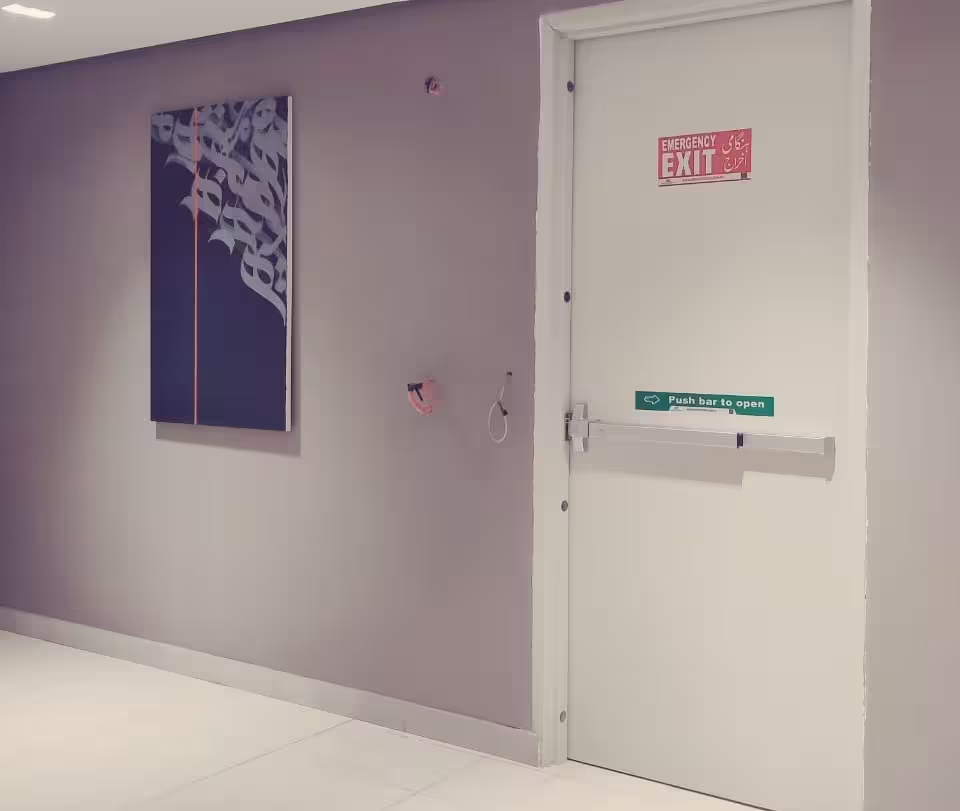
Creating a Fire Escape Plan That Actually Saves Lives! When we think about fire safety in commercial buildings, the first thing that usually comes to mind is ticking off boxes for compliance. Many owners and managers assume that if they’ve followed the National Building Code of Pakistan or the CDA Building Bylaws, they’re covered. But the truth is, following the rules is just the starting point not the finish line. A tragic gas explosion in Multan, Punjab, claimed five lives and injured 31 others early Monday. The blast, caused by a liquefied petroleum gas leak, sparked a massive fire that tore through a residential colony around 12:25 a.m., scattering debris and causing widespread damage. This heartbreaking incident shows how essential proper fire safety plans, regular maintenance, and emergency preparedness are in residential areas to prevent such disasters. That’s why having a working fire escape plan and mandatory precautions is more than just about compliance. It’s about protecting lives, reducing panic, and giving people a real chance to get out safely. What Makes a Fire Escape Plan Effective? Clear Escape Routes Matter Think about your office, factory, or shop floor for a second. If a fire broke out, would your team know which way to run? A solid fire escape plan needs to show both a primary and secondary escape route for every person in the building. These routes should never be blocked not by furniture, storage boxes, or anything else. Signs should glow in the dark and be visible even through smoke. They should point clearly toward the exits. In Pakistan, where power outages are still common, this becomes even more critical. Outdoor Assembly Points Where do you go once you’re outside? A safe, open area far from vehicles, electrical boxes, or fuel sources is what you need. This is where your team can gather, take a headcount, and check if anyone needs help. Imagine trying to find your team members in chaos with no designated spot. It wastes precious minutes. So, set a fixed place and make sure everyone knows it. Emergency Lights and Exit Signs Picture this: a fire breaks out during office hours. Smoke fills the halls, and the lights go out. People panic. Now imagine the same scene but glowing lights mark the exits, and emergency lights guide the way. Big difference, right? That’s why emergency lighting and photoluminescent exit signs are not optional. They’re lifesavers. Make sure they’re tested regularly. Batteries fail, and bulbs burn out, don’t wait to find out during an emergency. Fire Extinguishers and First Aid Kits Not all fires grow instantly. Some start small and if handled right, can be put out fast. That’s where fire extinguishers come in. Most workplaces need ABC dry chemical extinguishers. These are good for paper, electrical, and fuel-based fires. But if you run a kitchen or a lab, you might need wet chemical or CO2 extinguishers instead. Just having them isn’t enough. People should know how to use them. First aid kits should also be available on every floor and visible. Basic training for staff can make a real difference in those first few minutes. Who Does What? Communication is Key In an emergency, seconds matter. There should be no confusion about who is calling 1122 or the fire brigade, who is activating the alarm, or who is leading others to safety. Assign Fire Wardens people trained to guide their teams out and manage the situation. Think of them as your go-to safety leaders during a fire. In high-stress moments, leadership brings calm. Why Fire-Rated Doors Deserve More Attention You probably pass by your office doors every day without thinking twice. But fire-rated doors are silent heroes during a fire. They can hold back flames and smoke for anywhere between 30 to 120 minutes, depending on the type. These doors protect your staircases and hallways the main escape routes. But only if they’re installed correctly. That means using certified frames, self-closing mechanisms, and never ever propping them open. If your building has large glass windows or internal windows, consider installing fire-rated glass as well. Also, get them inspected regularly. A warped door or broken seal could fail when you need it most. Real Safety Means Planning for Everyone Include People with Special Needs Every person matters. Your fire escape plan should help those who can’t use stairs or may not hear alarms. You might need evacuation chairs, tactile floor indicators, or buddy systems to help them out. If you don’t plan for them, you’re leaving people behind. High-Rise Offices Have Different Needs If your building has more than six floors, you can’t expect everyone to rush down the stairs at once. That’s a recipe for chaos. Instead, plan for staggered evacuations. Assign Floor Marshals who can coordinate movement safely. Elevators are out of the question during a fire, so stairs must stay clear and functional. Watch Out for Weather We know winters in parts of Pakistan like Murree, Quetta, or even northern Punjab can get rough. Snow and ice can block exits or make outdoor paths slippery. So, make sure winter maintenance includes de-icing and clearing snow from emergency exits. Know Your Building’s Risks Not every building is the same. A garment factory will have different fire risks than a restaurant or a chemical warehouse. For example, kitchens need to watch for grease fires, while labs may need chemical spill containment. Customize your fire escape plan based on the actual risks in your space. Practice Makes Safety Real Plans don’t work unless people are aware of them. That’s why it’s important to train your staff and follow other precautionary measures. Train Your Staff Teach your team about exits, alarms, and who their fire wardens are. Practice using extinguishers. Walk them through the assembly point. Fire safety isn’t just a job for the safety officer, it’s everyone’s responsibility. Run Drills Twice a Year Have fire drills at least twice a year. After each one, get feedback. Did people know where to go? Was there confusion?
Steel vs Wooden Fire Doors: What Suits Best For Your Facility?
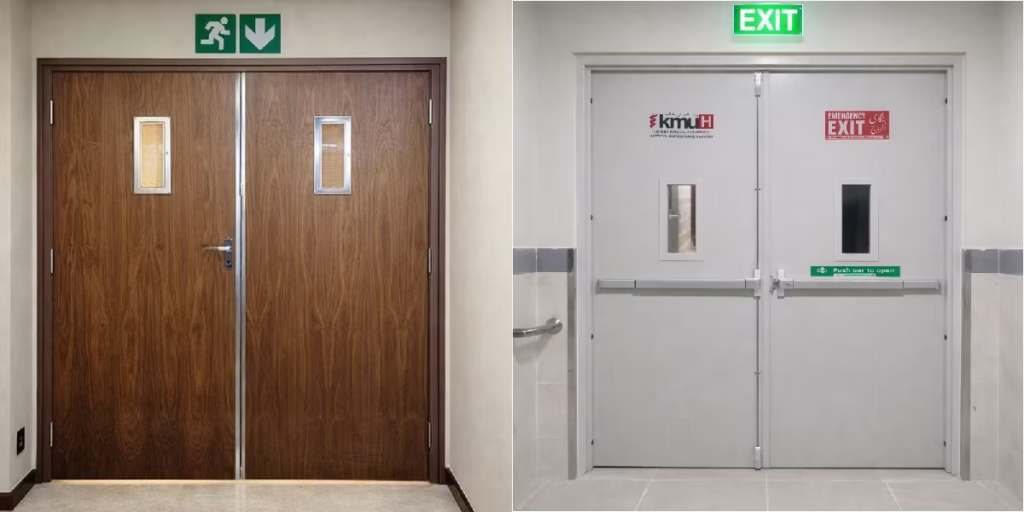
Steel vs Wooden Fire Doors: What Suits Best For Your Facility? Suppose it’s Wednesday evening in Karachi, and you are sitting in an office. A spark of heat starts within your building. Maybe due to a frayed wire in a server room, or a careless cigarette in a loading bay. This fire can become a contained incident or a disaster, depending on your decision to implement fire safety equipment, emergency exit training and the right fire door. Too often, building owners prioritize low cost or looks over functionality. Some people choose steel doors for durability, while others select wooden doors for aesthetics. However, the right door depends on the specific needs of the area, whether it’s a hospital, an industrial space, or a warehouse. Oversight is a dangerous gamble, so make the right, wise choice. Expert Decision Depends On Requirements: This guide cuts through the noise and misconceptions to analyze the real debate: Steel door vs. Wooden door. The right choice isn’t universal; it depends entirely on your building’s purpose, its environment, and the specific level of fire resistance required for true fire safety implementation. Why Fire Doors Matter More Than Ever A standardized door is not just an ordinary door; it is a crucial component for creating a difference between life and death. It compartmentalizes fire and smoke, and gives occupants time to escape from the building. Usually, the rating of resisting fire is 20 to 120 minutes. But it depends on the durability and core material. While both materials fulfill this function, their construction and intrinsic properties tell their optimal usage and reliability. Steel Fire Doors: Maximum Protection for High-Risk Zones Steel doors are built for endurance; they are the ultimate industrial workhorse. They are made up of a rigid steel shell with high-density insulating cores inside. They offer exceptionally high fire resistance and longer life. This feature makes them ideal for areas demanding maximum protection. Their strength, high durability, and resistance make them a go-to choice for industrial use, heavy commercial and high-traffic areas. Wooden Fire Doors: Style With Certified Safety Fire-rated wooden doors have specialized timber cores with intumescent(coated or sealed) materials that expand when heated, and block fire spread. They’re less fire-resistant than steel, but valued for aesthetics, blending into offices, homes, and schools. Their design appeal makes them ideal for spaces prioritizing looks, offering reliable fire protection with a seamless finish. Certifications You Must Check Before Buying a Certified Door When it comes to safety doors, don’t just take the seller’s word for it. Look for certifications that complete Fire-rated door standards (UL, BS, EN) from well reputed organizations. These marks are like a seal of approval, ensuring the door has been rigorously tested and meets international safety standards. To ensure your office has a genuine fire rated door, check the door slab’s certification and verify the frame, hardware, and seals are also certified. All components must work together, so it’s better to insist on certified equipment for complete protection. Steel Fire Door vs Wooden Fire Door: Key Comparison Here is a quick comparison between steel fire rated doors vs wooden fire rated doors to help you understand their performance across critical safety factors. Feature Steel Certified Door Wooden Certified Door Fire Rating Up to 180 mins Up to 90 mins Durability Extremely high (impact, heavy usage) Moderate (susceptible to humidity/denting) Weight & Feel Heavier, giving a strong, industrial, or robust feel. Lighter, offering a more traditional and welcoming feel. Maintenance Low (resistant to warping/cracking) Needs regular check (for seals, warping) Cost Higher initial cost, lower long-term cost Lower initial cost, potentially higher lifetime costs Thickness The minimum door thickness recommended is 44mm The minimum door thickness recommended is 60mm Best Use Warehouses, factories, hospitals, utility rooms Offices, apartments, schools, internal corridors Weakness Hollow metal doors do not emit any gases or smoke, but seal the gaps because of the expansion of the door. Can generate Toxic gases if the core or the surface material is not appropriate Finish Options Powder-coated, paint, stainless steel Veneer, laminate, paint, decorative finishes Certification UL, BS, EN UL, BS Where Each Fire Door Works Best (Practical Building Scenarios) Choosing the right fire door becomes much easier when you look at the building and think about how people use it every day. Every space has a different risk level, so the fire door should match that need. A small office may not need the same door strength as a busy factory or a crowded shopping mall. When the right door is installed in the right place, it slows down smoke and flames and gives people more time to get out safely. This simple match can make a huge difference during an emergency. Industrial & Manufacturing Facilities Recommendation: Steel. Heavy industries like textile mills in Faisalabad, High-traffic areas, loading docks, and utility rooms need the maximum durability and highest fire resistance (120-180 minutes). A steel door can withstand constant impact and heavy use without compromising structural integrity. Commercial Offices & Corporate Buildings Recommendation: Wooden. In common areas, executive offices, and corridors, aesthetic harmony is important. Certified wooden doors (typically 60-90 minutes) provide the necessary safety compliance while offering elegant finishes. Hospitals & Airports Recommendation: Steel. These environments require strict hygiene and long-term reliability. Steel doors are easier to clean, highly durable, and often provide the higher fire ratings mandated for critical infrastructure and evacuation routes. Residential Apartments & Hotels Recommendation: Wooden. For individual apartment unit entries, or housing societies like DHA, Bahria etc. certified wooden doors with proper seals are the standard. They provide the necessary fire separation (often 60 minutes) while offering a welcoming, residential feel. Common Myths About Fire Doors In Pakistan, many myths still surround fire certified doors. Some people think they look unattractive, others assume wooden doors are unsafe, while some believe steel doors are only for factories. These misconceptions come from poor-quality manufacturers and improper installation, not from the concept of fire doors themselves. When a door is certified, properly planned with the right fire