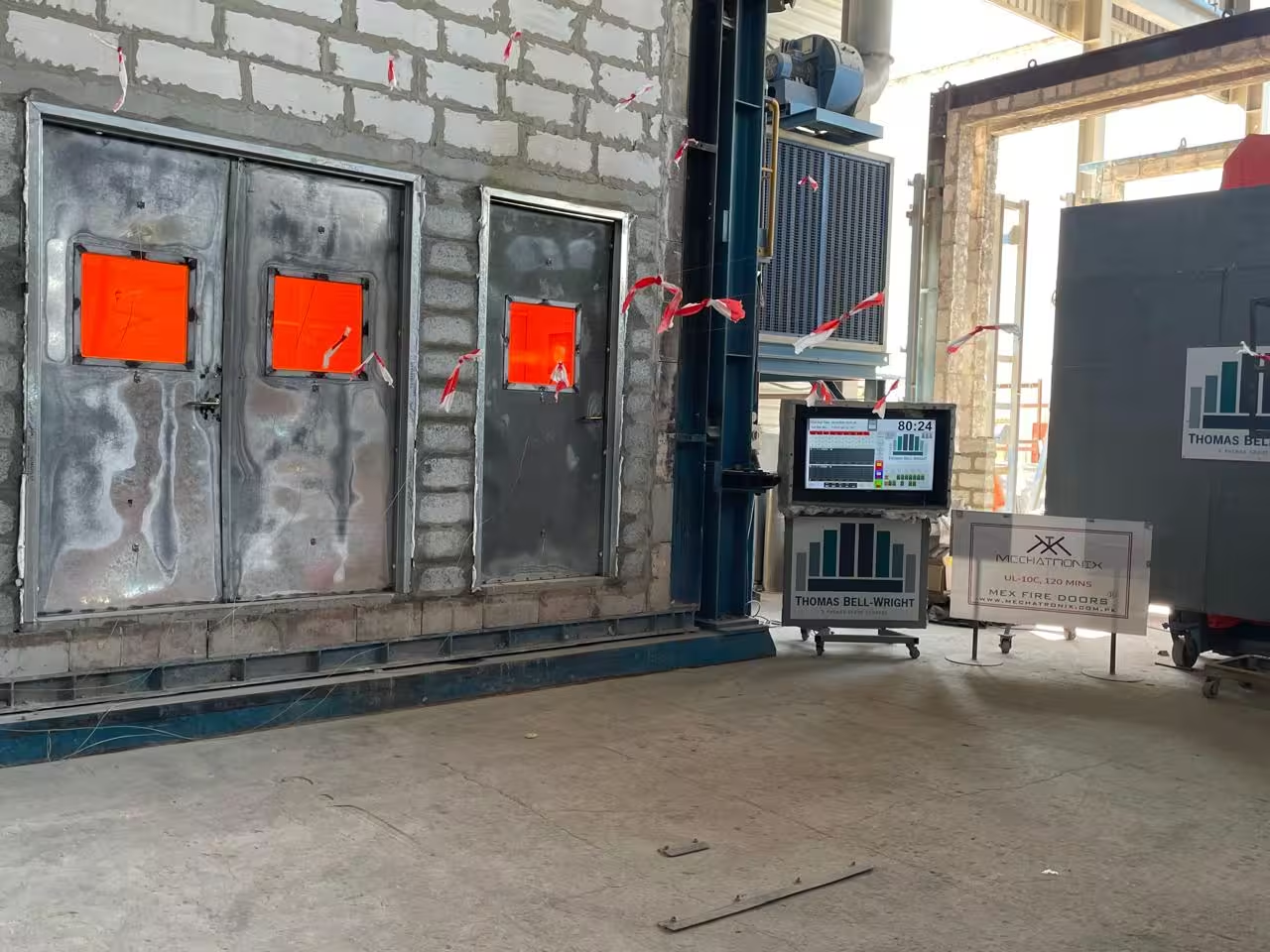
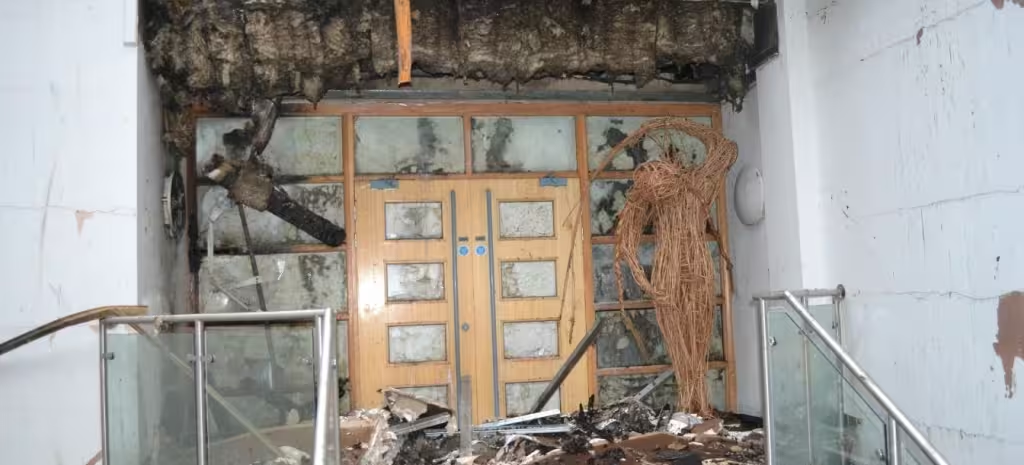
When a fire breaks out within a building, its consequences could severely damage the whole scenario. The cost involved can be huge, like documents, apartments, roofs or walls; you’re your precious fatalities.
According to a 2021 NFPA study, out of 125,500 fires reported in non-residential structures across the United States, where fire doors are typically required, 3% led to fatalities, while 7% resulted in civilian injuries.
Apartment fires, categorized separately, revealed even higher risks. Among 81,500 multifamily fires, 7% involved fatalities, and 21% caused injuries.
These relatively low percentages highlight fire doors’ critical role in reducing casualties during fire incidents. However, the implementation of fire door regulations in apartment buildings varies by state, leading to inconsistent safety measures.
Real-World Examples (2010–2024)
Fire doors are essential safety features designed to retain fires, prevent the spread of smoke, and provide occupants with crucial time to evacuate. Their effectiveness has been demonstrated in various real-world incidents that will surely show you the importance of UL-certified fire doors.
Grenfell Tower Fire, London (2017)
The tragic Grenfell Tower fire on 24 floors broke out on the fourth floor of the flat’s kitchen. Seventy-two people lost their lives, and many other damages happened. However, fire doors were mounted, which saved many stories. Such incidents served as a chilling reminder of the lifesaving role fire doors are meant to play, but often fail to when neglected. Investigators uncovered a devastating truth: many fire doors failed to close properly, becoming pathways for lethal smoke and flames to spread rapidly.
This failure turned escape routes into deadly traps, underscoring a vital lesson. A well-maintained fire door isn’t just a barrier; it’s a lifeline. It can mean the difference between a contained fire and a catastrophic loss of life.
Bronx Apartment Fire, New York City (2017)
In December 2017, a devastating fire broke out in a Bronx apartment building when a child playing with a stove ignited a blaze that claimed 13 lives. The tragedy hit hardest on the upper floors, where the thick smoke turned deadly. Yet, fire doors became silent heroes in some apartments, holding back flames and smoke long enough for firefighters to reach trapped residents.
The fire’s rapid spread was traced to a single apartment door left open, allowing smoke and flames to infiltrate the building’s critical stairwells, escape routes that should have been safe.
This heartbreaking incident serves as an initiate reminder: self-closing fire doors are not just safety features; they are lifesaving barriers, essential to containing fires, preserving escape routes, and protecting lives when every second counts.
High-Rise Office Building Fire, Chicago (2012)
A fire erupted on the 12th floor of a high-rise office building, jolting a man and woman awake as their smoke detector blared a warning. They discovered flames consuming their living room and quickly called for help. Despite the tragic loss of six lives to smoke inhalation, the swift action of the Chicago Fire Department, with 135 firefighters, paramedics, and 45 pieces of equipment, successfully contained and extinguished the blaze. The key to preventing further devastation? UL-certified doors. They held the fire to its floor of origin, stopping it from spreading to other parts of the building. This critical containment not only allowed occupants on other floors to evacuate safely but also significantly reduced property damage. The incident stands as a sobering but powerful testament to the lifesaving importance of fire doors in high-rise buildings.
Hospital Fire Incident, Toronto (2015)
In March 2015, a fire broke out in a storage room of a hospital in Brampton, Greater Toronto Area. Fortunately, the hospital was under construction, and no fatalities occurred. However, the incident highlighted the crucial role fire doors play in such emergencies.
Upon detecting smoke, the fire doors automatically closed, effectively confining the blaze to the storage area. This swift containment was vital in safeguarding the hospital’s most vulnerable patients, particularly those in critical care units. The fire doors not only prevented the fire from spreading but also enabled an orderly and calm evacuation, avoiding chaos and ensuring everyone’s safety. This incident underscores the importance of fire doors as silent protectors in high-risk environments like hospitals.T
The Critical Role of Properly Installed and Maintained Fire Doors
These incidents emphasize the lifesaving importance of Properly installed and well-maintained fire doors perform their critical function when supported by correct installation, ongoing maintenance, and certified fire-resistant components. Gaps, faulty seals, or non-compliant materials can render them ineffective when it matters most. Regular inspections and strict adherence to fire safety regulations are essential to ensure doors operate as intended during emergencies. When properly maintained, fire doors serve as vital barriers, slowing the spread of fire and smoke, safeguarding escape routes, and ultimately protecting lives. Their role cannot be overstated. For reliable solutions and expert support in fire door installation and maintenance, trust Mechatronix to help you stay prepared and protected.